
The "Set It and Forget It" Trap: Why Tenant Access Management Fails Long Before Hardware Does
A maintenance contractor finishes a job at your property, hands back his keycard (or says he does), and moves on. Six months later, his old access code still works. He's no longer on your vendor list. You have no record of deactivating his credentials. And when a storage unit gets broken into on a Tuesday night, your access log shows an entry no one can explain. The camera footage is inconclusive. Your liability exposure is not.
The Invisible Risk Hiding Inside Your Access System
Most property operators invest heavily in hardware, including durable gate controllers, encrypted readers, and redundant power supplies. That investment makes sense. But it creates a blind spot.
Physical hardware fails loudly. A broken gate motor triggers a work order. A dead credential reader gets noticed at 7 a.m. when residents can't get in. But stale credentials fail silently, and they keep failing, quietly, for months or years after the person who holds them has left your property.
 Credential sprawl is the accumulation of active access rights that no longer map to a current, authorized user. It happens for predictable reasons. Multifamily properties with even moderate turnover (say, 50% annually across a 200-unit building) process 100 or more move-ins and move-outs per year. Each event is a credential lifecycle transaction: issue, validate, and eventually revoke. When offboarding is manual, rushed, or undocumented, revocation gets skipped. Vendor access compounds the problem. HVAC technicians, pest control companies, and property inspectors all get credentials that rarely expire.
The result: a growing list of ghost credentials that are valid in your system but belong to no one accountable.
The Three Failure Points in Tenant Access Management
1. Onboarding Gaps: Credentials Issued Without Rules
The problem often starts at move-in. A new tenant gets a fob, a PIN, and a mobile credential in the span of ten minutes. What they don't get, and what your system rarely enforces, is a defined credential lifecycle. No expiration date. No documentation of which access levels were granted and why. No baseline audit record.
When that same tenant moves out 14 months later, the offboarding team is working from memory and a move-out checklist that doesn't mention access credentials. The fob gets collected. The PIN doesn't get deactivated. The mobile credential tied to their personal phone? Still active.
Good onboarding treats credential issuance as the first step in a documented lifecycle, not a one-time transaction.
2. Offboarding Failures: The Gap Between "Gone" and "Locked Out"
Offboarding is where credential hygiene most visibly breaks down. Move-outs create obvious triggers, but they're not the only ones. Employee terminations, contractor rotations, and expired vendor agreements all generate former insiders who may retain access they should have lost.
The window between a person's last authorized day and the moment their credentials are actually revoked is the exposure window. In a manual system, that window can stretch for weeks. In a system without any offboarding workflow at all, it never closes.
Offboarding failures don't require malicious intent to cause harm. A former employee who uses an old PIN out of habit, to grab something from a storage room or cut through a secured corridor, creates a liability event even if nothing is stolen.
3. Lost and Shared Credentials: The Access You Can't Account For
Lost fobs get reported. Shared PINs usually don't.
PIN sharing is endemic in multifamily and commercial properties. A resident shares their gate code with a family member, a dog walker, or a housecleaner. That code, once linked to a specific credential in your system, now authenticates users you've never vetted and can't track. When something goes wrong, your audit log shows authorized access. Your investigation starts from a false baseline.
Lost fobs present a different problem. Even when residents report them, credential deactivation often lags. Unreported losses, like the fob that fell out of a pocket or the keycard that "must be around here somewhere," never get addressed at all.
What Good Credential Hygiene Actually Looks Like
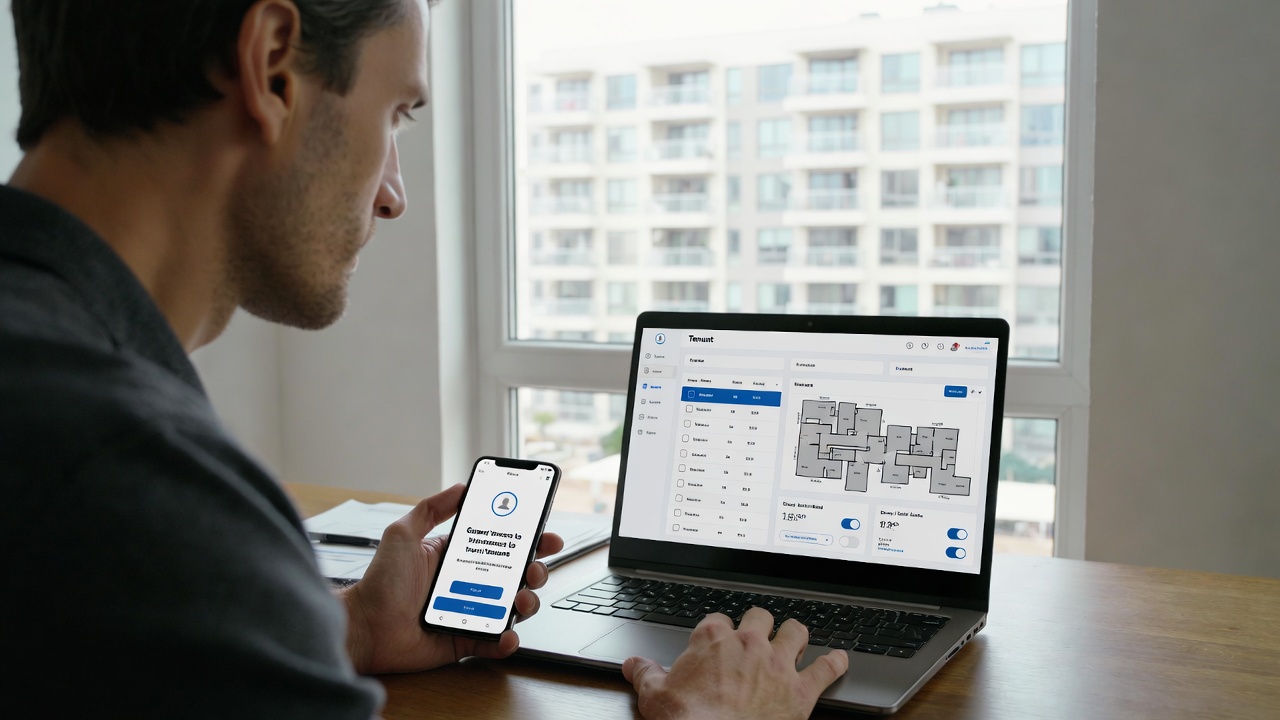
Getting control of your credential environment doesn't require replacing your access system. It requires treating credentials with the same operational discipline you apply to lease agreements.
1. Issue credentials with expiration dates by default
Every credential, whether for a tenant, employee, or vendor, should have a defined active window. Vendor credentials, especially, should expire at the end of a contract term, not whenever someone remembers to deactivate them.
2. Build offboarding checklists that include access revocation as a required step.
Move-out inspections, employee terminations, and vendor contract closures should all include a mandatory credential audit. This doesn't need to be complex. A two-line item on an existing checklist creates accountability where none currently exists.
3. Conduct quarterly credential audits
Pull your active credential list. Cross-reference it against current leases, employee rosters, and active vendor agreements. Any credential that doesn't map to a current, authorized user gets deactivated. This single practice catches most ghost credentials before they become incidents.
4. Limit PIN sharing through policy and technology
If your access system supports unique credentials per user, use that capability. When each person authenticates with their own credential, your audit log reflects real individual access rather than a shared code that could belong to anyone.
5. Log and review access anomalies regularly
Most modern access systems capture entry timestamps and credential IDs. Set a monthly review of access logs for off-hours activity, high-frequency entries, and credentials you don't immediately recognize. Anomaly review turns your access log from a reactive forensic tool into a proactive risk signal.
Strong Access Control Starts With Process, Not Hardware
Access control is only as strong as the people and processes managing it. Hardware gets audited, inspected, and replaced on a schedule. Credentials deserve the same discipline.
The properties that avoid costly incidents aren't necessarily running more sophisticated systems — they're running tighter processes around the ones they already have. Start by knowing exactly who has access to your property right now. If you can't answer that question with confidence, that's where the work begins.
Questions about your access management? Contact us today.