
Repair or Replace? How to Make the Right Decision for Your Automatic Gate
Your automatic gate worked perfectly for years, until it didn't.
Maybe it hesitates before opening, grinds through every cycle, or stops responding to the remote entirely. Now you're facing a familiar dilemma: pay for another repair, or invest in a full replacement?
Repair feels cheaper on the surface, but the real answer depends on a handful of factors most people don't think to weigh. This guide walks you through exactly what to consider so you can make a confident, informed decision.
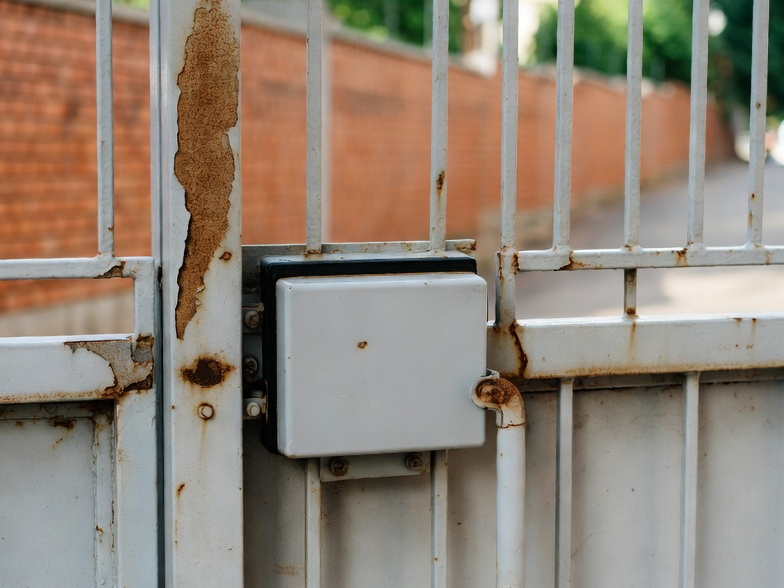
When Repairing Your Automatic Gate Is the Right Call
If your gate operator is less than seven to ten years old and has experienced a single, isolated failure (a snapped drive chain, a worn circuit board, or a damaged entry sensor), a targeted repair is almost always the right move. The core system is still sound; you're simply replacing a component that wore out ahead of schedule.
Repair also makes sense when the cost of the fix is well below 30 to 40% of what a comparable new system would cost. A $200 to $400 service call on a gate operator that would cost $1,800 to $3,000 to replace is straightforward math in favor of repair. The same logic applies to cosmetic or structural gate damage, such as a bent panel, a misaligned hinge, or a damaged post, where the mechanical operator itself is functioning well.
The bottom line: if your gate is relatively young, the problem is clearly defined, and the repair cost is proportionate, fix it. A good gate technician should tell you this honestly, even when it means a smaller invoice.
Warning Signs That Replacement Is the Smarter Investment
Some gates send clear signals that they've reached the end of their reliable service life. Here's what to watch for:
Age of the Unit
Most residential gate operators are engineered for a lifespan of 10 to 15 years under normal use. Commercial operators, which cycle far more frequently, often show meaningful wear by years seven to ten. Once a system crosses these thresholds, components begin failing in sequence, and you're no longer fixing a problem; you're chasing one.
The Repair Spiral
One repair every few years is normal maintenance. But if you've called a technician two or more times in the past 12 months, your gate has entered what's commonly called the repair spiral, a pattern where aging, interdependent components fail in succession. Each fix solves one problem while the next is already developing.
Outdated Safety Features
Gate safety standards have advanced significantly. Older operators may lack UL 325-compliant entrapment protection, modern auto-reverse sensitivity, or the obstruction sensors now required by code in many jurisdictions. A gate that doesn't meet current safety standards isn't just a liability; it's a genuine risk to children, pets, and vehicles.
Cumulative Repair Costs
Add up what you've spent on repairs over the past three years. If that number is climbing toward half the cost of a new system, you're funding a deteriorating asset rather than maintaining a functional one.
The Long-Term Cost Perspective: What the Numbers Actually Look Like
Here's a useful way to frame the decision. Imagine your gate has needed three service calls per year at roughly $500 each. Over five years, that's $7,500 spent keeping an aging system running, with no guarantee of reliable performance and no improvement in safety or functionality.
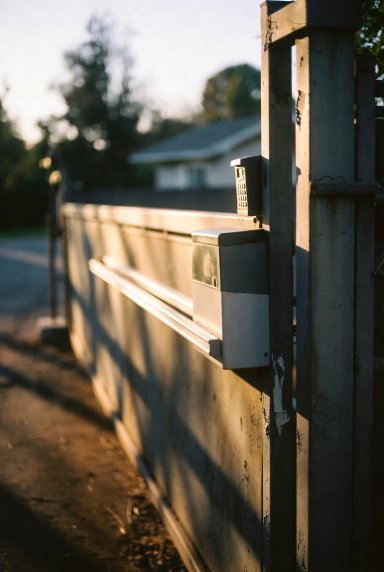 A quality replacement gate system, by comparison, is designed to run with only routine maintenance for 15 to 20 years. That's a fundamentally different value equation, even before you account for what a new gate adds to your property.
Modern automatic gate systems offer benefits that older units simply can't match. They have,
- Smart-home integration with keypads, intercoms, and smartphone access
- Contemporary materials and design profiles that improve curb appeal
- Updated safety architecture built for the current code
For homeowners, a well-chosen entrance gate is also a legitimate property value asset. It signals security, privacy, and quality to anyone approaching the property.
A Simple Framework for Making the Decision
When you're unsure, apply this three-part test:
- The Age Rule — Is your gate operator older than ten years? If yes, replacement deserves serious consideration.
- The 50% Rule — Does the estimated repair cost exceed 50% of what a comparable new system would cost? If yes, replace.
- The Pattern Rule — Have you needed repairs more than once in the past year? If yes, you're likely in the repair spiral.
If you answer yes to two or more of these questions, replacement is almost certainly the better long-term investment. If you answer yes to none, repair is probably the right call for now.
Not Sure Where You Stand? Let's Figure It Out Together
You don't have to make this decision alone or in the abstract. A qualified gate technician can assess your system's age, condition, and repair history and give you a straightforward recommendation, one that's based on your gate's actual situation, not a sales target.
If you'd like an honest opinion, we're happy to take a look. Request an assessment, and we'll tell you exactly what we'd tell a neighbor: repair it if it makes sense, replace it if it doesn't. Either way, you'll know where you stand.